
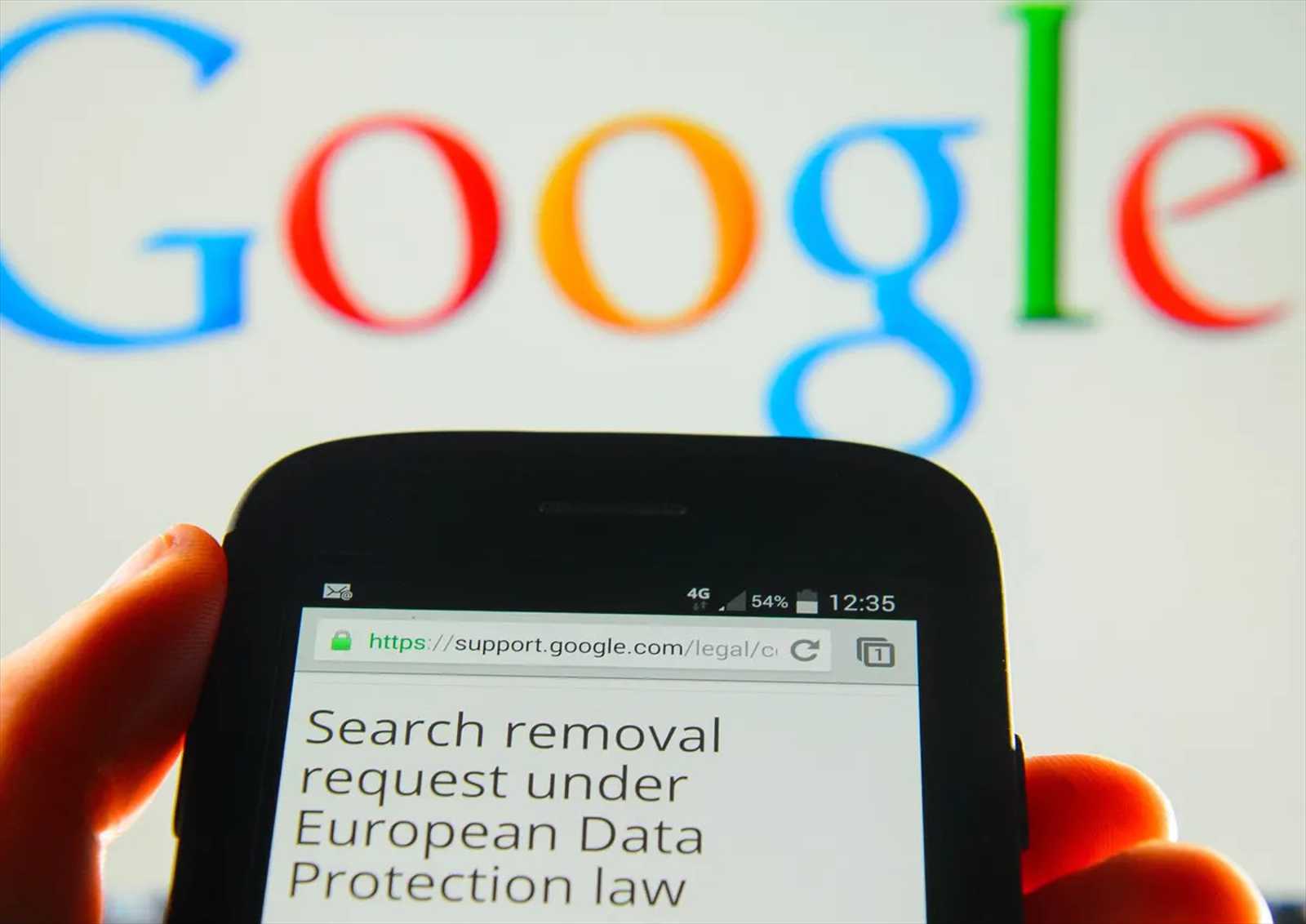
As we mentioned in our article dated June 16, following the decision of the European Court of Justice, Google launched a form through which any individual, a citizen of the European Union, could request the removal from the search results on this engine of links to pages containing information about themselves or another person.
At that time, Google did not mention the actual start date of the removal process.
However, it seems that at the beginning of July the first "disappearances" of links from Google were reported. Those who noticed and announced this were British press organizations, including BBC and The Guardian.
They announced that certain articles no longer appear in the search results of Google UK. However, the articles still exist on the site and can be accessed, but not from searches on the search engine. In other words, Google's removal only involves eliminating the link to certain pages, not the content itself, which would have been illegal and impossible anyway.
Very interesting is the fact that, as expected, the search results are modified only for search engines in European countries where the Union's Court Decision applies. Therefore, if someone wants to search for information about a certain person, they can go to google.com instead of google.uk or .ro and find out everything they want.
The international press is, however, surprised that the giant Google has preferred not to make any announcement about this yet, although it had previously promised to announce the start date of the removal process.
Sources inside Google, who wished to remain anonymous, mentioned that from May 29 to June 30 over 70,000 data removal requests were submitted.
Among the links already removed are those to BBC blog posts regarding one of the people responsible for the collapse of a bank at the beginning of the economic crisis, as well as articles about a football player.
As a result of applying this new rule, at the bottom of many Google search results pages the following message appears: “some results may have been removed under data protection law in Europe”. Unfortunately, this message does not tell you if they have been modified. In other words, you cannot be sure that the search results are accurate or complete.