
Recently, the idea of making backup copies of information stored in electronic format, and of those still on paper to convert them into electronic format, easier to access and, above all, easier to store, has been increasingly discussed in Cloud computing.
However, this storage requires space as well. Hard drives, memory sticks, old CDs or DVDs are all used, but they seem no longer sufficient.
The idea arose to have multiple email addresses and to send essential information from one email to another to be sure we will have it regardless of what happens to the computer at work or wherever we are. However, it is difficult, takes a long time, and if you frequently use these files, you might get confused with them.
A reliable solution had to be found. Thus, a few years ago, the possibility of storing data in a virtual environment appeared. Initially, it was an expensive service accessible only to legal entities for backing up essential information, but now it is available to anyone for a monthly fee.
And it is called CLOUD.
Although most consider that this Cloud only offers storage, the truth is different. Through it, various programs or applications can also be run.
Cloud computing is defined by the National Institute of Standards and Technology (NIST) in the United States as a model of network (Internet) access services to distributed systems of configurable computing resources on demand (for example, servers, data storage, applications, and services) that can be quickly made available with minimal management effort and intervention from both the client and the provider.
In this first article about Cloud, we aimed to briefly present some features and advantages of this service, with a future presentation of its history and evolution to follow. So:
- The main advantage is the safe storage of data. As we said, we all want crucial information to be stored safely, not to depend only on an ordinary computer.
- The second major advantage is the accessibility of this information. Being practically stored on the internet, it can be accessed from anywhere and from any device connected to the internet.
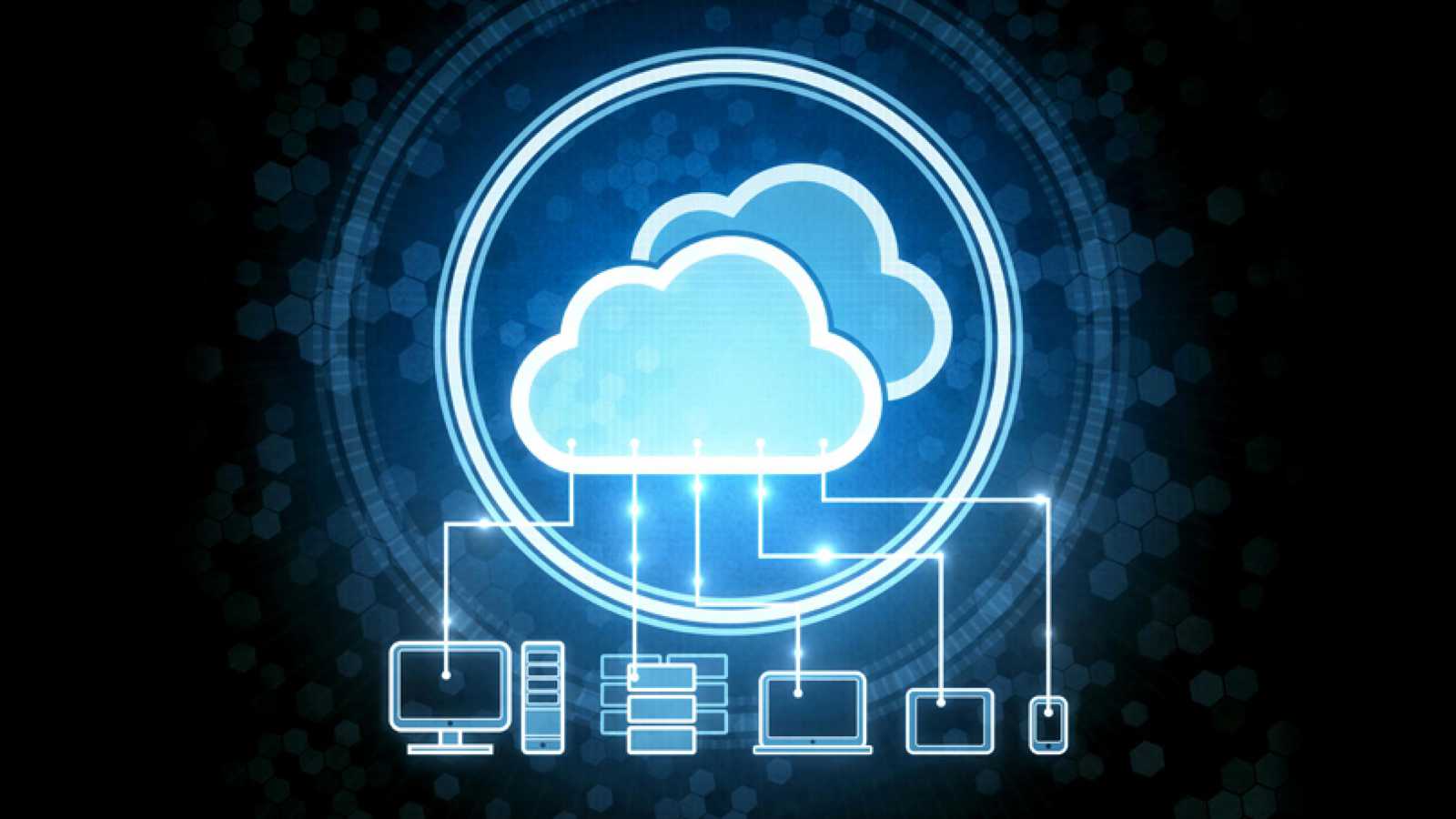
- Data synchronization. Considered by many as the most important feature, synchronization stems from the other two and also represents the absolute novelty that the cloud brings. Information modified on one device is practically modified on the internet without needing to upload it again to the cloud and is automatically synchronized with all other devices (computer, laptop, tablet, mobile phone, etc.).
- Very few resources are used because all necessary programs are installed directly on the host server; the user only authenticates and uses them. Thus, a complete product is benefited from without the need to install and maintain other applications or programs.
The advantages and benefits of cloud computing are multiple. The main disadvantage seems to be the lack of trust that can be generated by the fact that you cannot know the physical location, the country or even countries where the servers storing your data are located.