
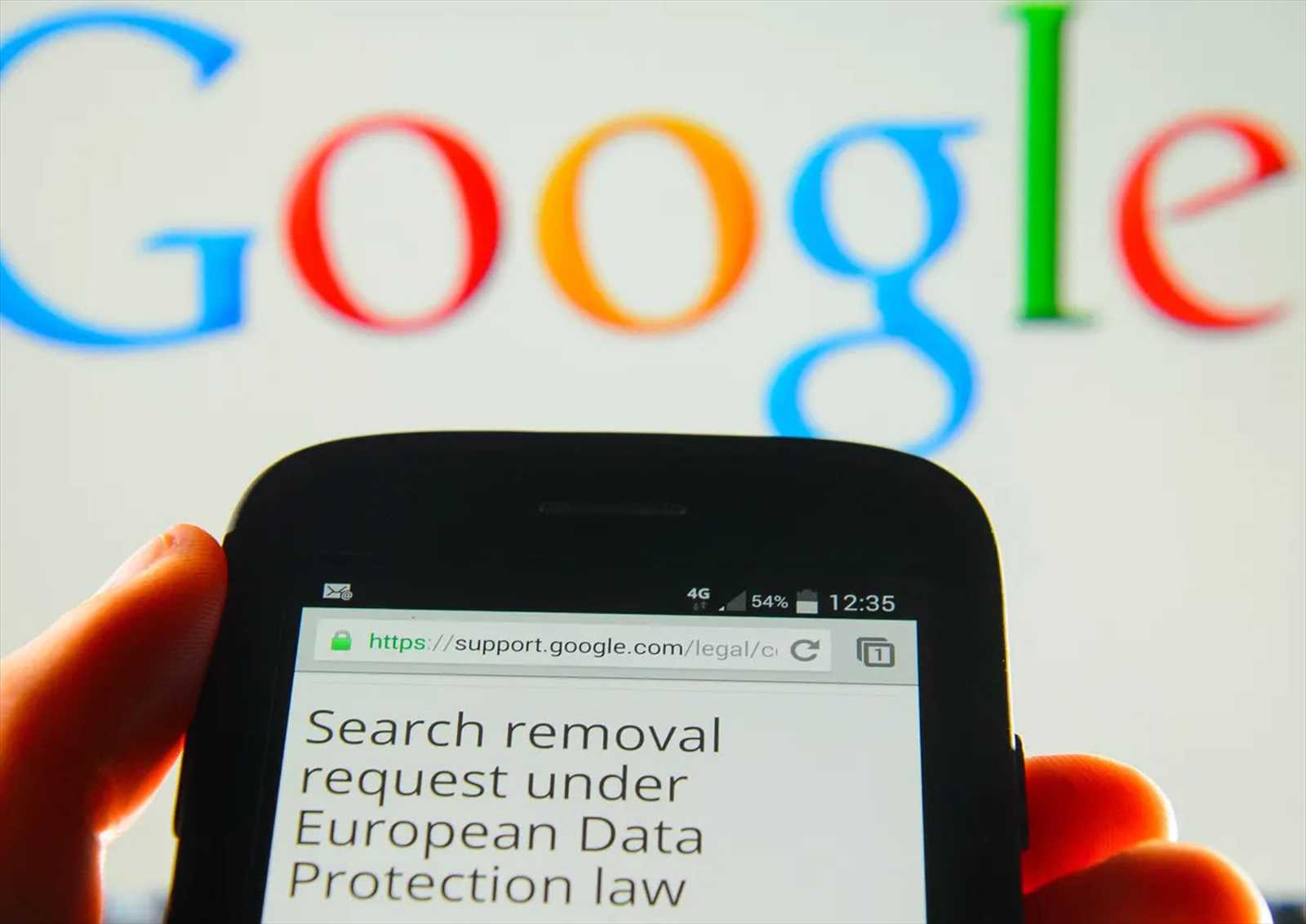
The law voted in May by the European Commission, the Right to be Forgotten, which obliges search engines like Google or Bing to respect the right to be forgotten of European Union citizens, is once again the subject of international disputes.
The first problem comes from Google itself, which complains about the lack of sufficient information to make correct decisions, that is, in accordance with European law. The number of requests submitted by July 18 exceeds, according to some sources, 90,000. Of these, 53% were approved, in 15% of cases additional information was requested, and the remaining 32% were rejected. Among those rejected were requests from journalists asking for the removal of links to articles they authored, but which were published on the online pages of their former employers.
The second problem, and at the same time the most important, is related to the links deleted by Google, deletions considered by many to be incorrect and arbitrary; ultimately, this is what it all comes down to: why is Google (or Bing or…) granted the right to make such important decisions, decisions that normally should belong to a judge and not an employee of a private company.
Wikipedia, known to everyone, is among the first organizations to decide to take a stand against these decisions considered by them as "abuses." Last week, at a press conference held by Wikimedia representatives (the non-profit organization supporting the site), a list was made public of the links to its sites that Google had removed. At the same time, the officials stated that they will periodically publish such a list, thus taking a position against the abusive deletion of information of public interest.
Beyond these ethical and legal issues, some have also seen the positive side of things. Some companies have identified in people's desire to clean their reputation (at least online) a source of profit, a way to make money. Thus, many firms now offer consulting and internet monitoring services for submitting such requests.
Before this law was voted, there were companies (mostly abroad, less so here) that managed the reputation of famous people, either to build a certain type of reputation or to try to correct the one acquired over time. These companies saw the new law as an outstretched hand, so they grabbed it with both arms. Thus, now, besides internet monitoring, companies also handle submitting these forms and tracking their progress until resolution. Although Google charges no fee to submit a form, the commissions of companies offering such services reach (in Western European countries) even 3,000 to 4,000 euros.
Therefore, the right to be forgotten, online reputation, the right to information, and freedom of speech are still in major conflict, whose outcome seems still far away.
We will keep you updated.
P.S. If you liked this article, you might also be interested in UPDATE - Google has launched the form for the “right to be forgotten” or From personal journal blog to online business